LASIK Candidacy Quiz
A simple way to understand your next step
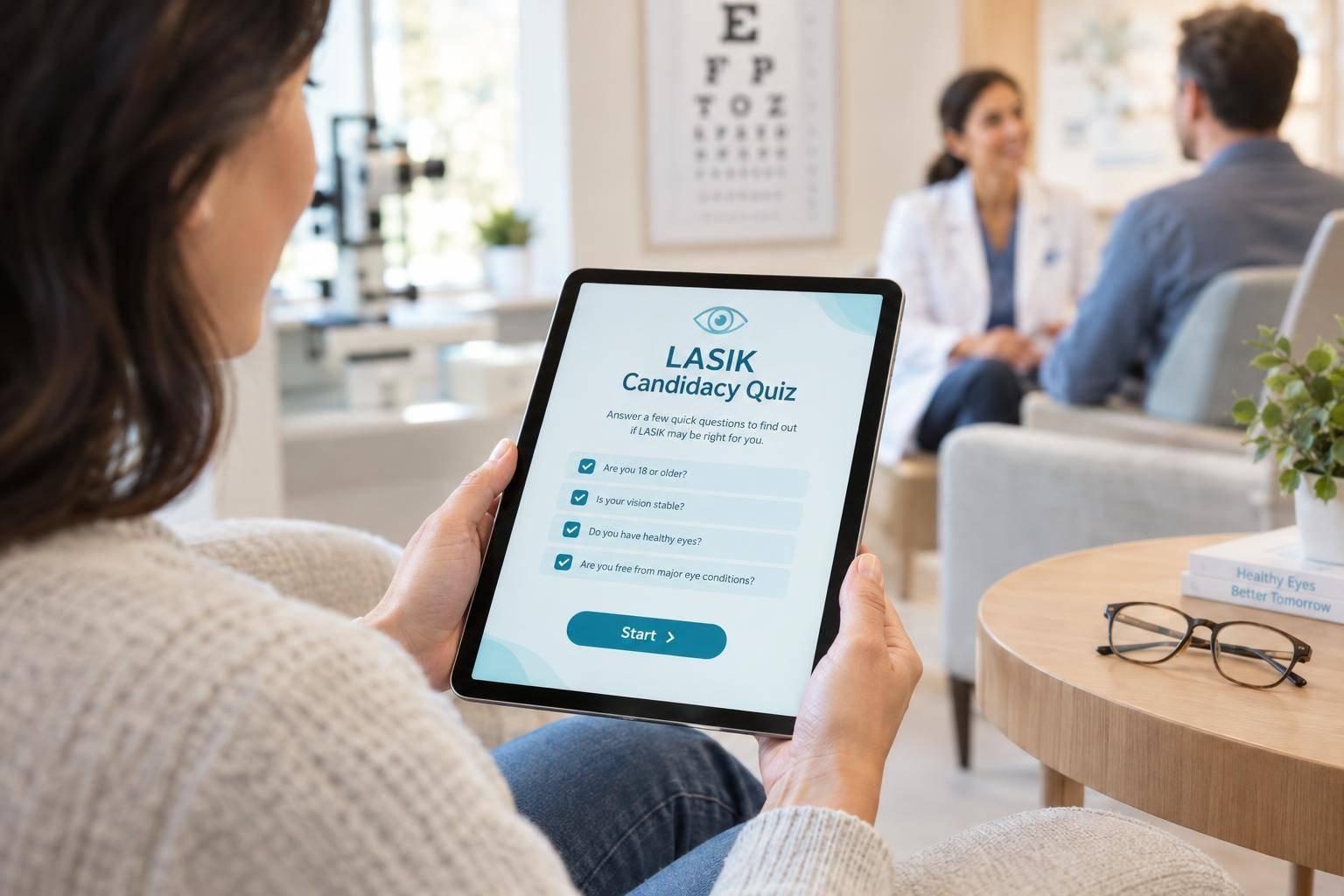
A LASIK candidacy quiz can be a helpful first look if you’re wondering whether laser vision correction might be worth exploring. This kind of tool doesn’t diagnose anything, but it can organize the most common screening factors into a clear, easy-to-understand result. Age, prescription stability, dry eye symptoms, and certain eye or health conditions all play a role in whether someone may be a reasonable candidate.
What this self-assessment checks
This LASIK candidacy quiz focuses on broad factors that eye surgeons often review early in the process. If your prescription has been stable, you’re over 21, and you don’t report major eye disease or serious systemic risks, your result may lean more favorable. On the other hand, issues like keratoconus, severe dry eye, pregnancy, or recent vision changes can signal the need for caution.
Why the result should stay informational
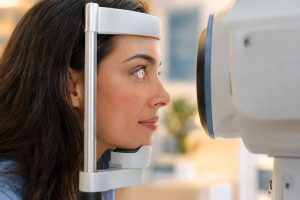
Even the best online screening tool can’t replace corneal imaging, tear film testing, or a full eye exam. That’s why this vision correction self-assessment is designed to be medically cautious and educational. If your result suggests review or alternatives, that doesn’t automatically rule out treatment—it simply means a specialist should guide the decision.
FAQs
Can this quiz tell me for sure if I can get LASIK?
No. This tool is only an educational self-assessment based on common screening criteria. It can help you understand whether your answers look favorable, suggest caution, or point to reasons LASIK may not be the best option, but it cannot measure corneal thickness, map the shape of your cornea, or check the full health of your eyes. A complete exam with an eye surgeon is the only way to know if you’re actually a candidate.
Why does unstable vision matter for LASIK?
LASIK works best when your prescription has been stable for a while. If your vision changed noticeably in the last 12 months, the correction may not match your future prescription very well, which can affect results and satisfaction. That’s why unstable vision is treated as an important caution flag in the quiz. If you’re unsure whether your prescription is stable, it’s a good topic to bring up during an eye exam.
If I may not be a good LASIK candidate, do I still have options?
Possibly, yes. Some people who aren’t ideal LASIK candidates may still qualify for other forms of vision correction, depending on the reason. For example, a surgeon might discuss PRK, implantable lenses, or simply waiting until your vision is more stable. If dry eye, pregnancy, or an eye health issue is the main concern, timing and treatment can matter. The quiz should be viewed as a starting point for that conversation, not the final answer.