Find the Right Vision Correction Fit
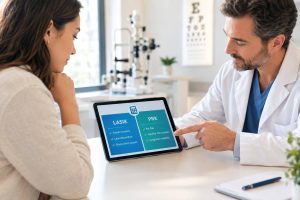
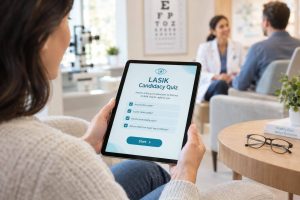
Choosing the best way to correct your eyesight isn’t always straightforward. A Vision Correction Comparison Tool can help you sort through common options like glasses, contact lenses, LASIK, PRK, and lens implants without getting lost in medical jargon. Instead of guessing, you can compare choices based on the factors that matter most in real life: your vision issue, age, daily routine, and budget.
Compare Options Side by Side
Someone who spends long hours reading may want different features than someone who runs, hikes, or plays sports regularly. Age matters too, since some procedures may be more suitable at certain life stages than others. This vision correction comparison experience brings those considerations together and highlights a few options that may fit your needs, along with practical pros, drawbacks, and estimated price ranges.
A Smarter Starting Point
Whether you’re weighing glasses vs contacts, exploring refractive surgery, or simply trying to understand cost differences, this tool gives you a clearer starting point. It’s built to make vision care decisions feel more approachable, but it’s still important to confirm your next steps with an optometrist or ophthalmologist who can assess your eyes in detail.
FAQs
How does this tool decide which vision correction options to recommend?
The tool looks at four practical factors: your type of vision issue, your age group, your day-to-day lifestyle, and your budget. For example, someone with an active routine may see contacts or surgery ranked higher than glasses, while a lower budget may favor glasses first. It also accounts for broad age-related fit, such as LASIK often being less ideal for people over 60 depending on overall eye health and other age-related changes.
Is this tool giving medical advice?
No. This tool is designed to help you compare common vision correction options in a simple, structured way, but it doesn’t replace a full eye exam or professional guidance. Eligibility for LASIK, PRK, contact lenses, or lens implants depends on details like corneal thickness, prescription stability, dry eye symptoms, cataracts, and overall eye health. A licensed eye care professional can evaluate those factors properly.
What’s the cheapest and most expensive vision correction option?
In general, glasses are usually the most affordable starting option, especially for basic prescriptions and standard frames. Contact lenses can cost more over time because they require ongoing purchases and supplies. LASIK and PRK typically involve a higher upfront cost, while lens implants are often among the most expensive options depending on the procedure and lens type. Actual pricing varies by prescription, provider, location, and follow-up care.