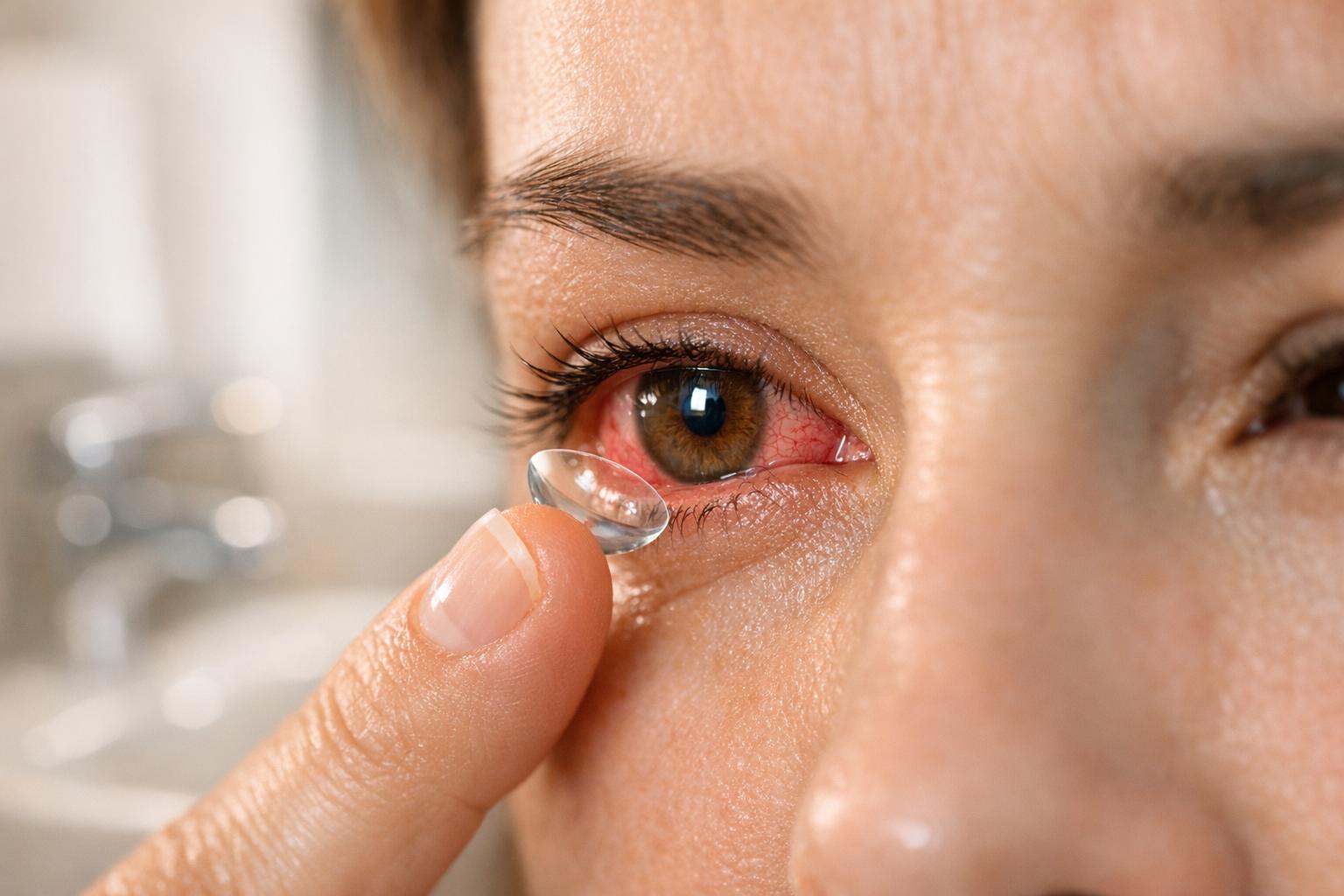
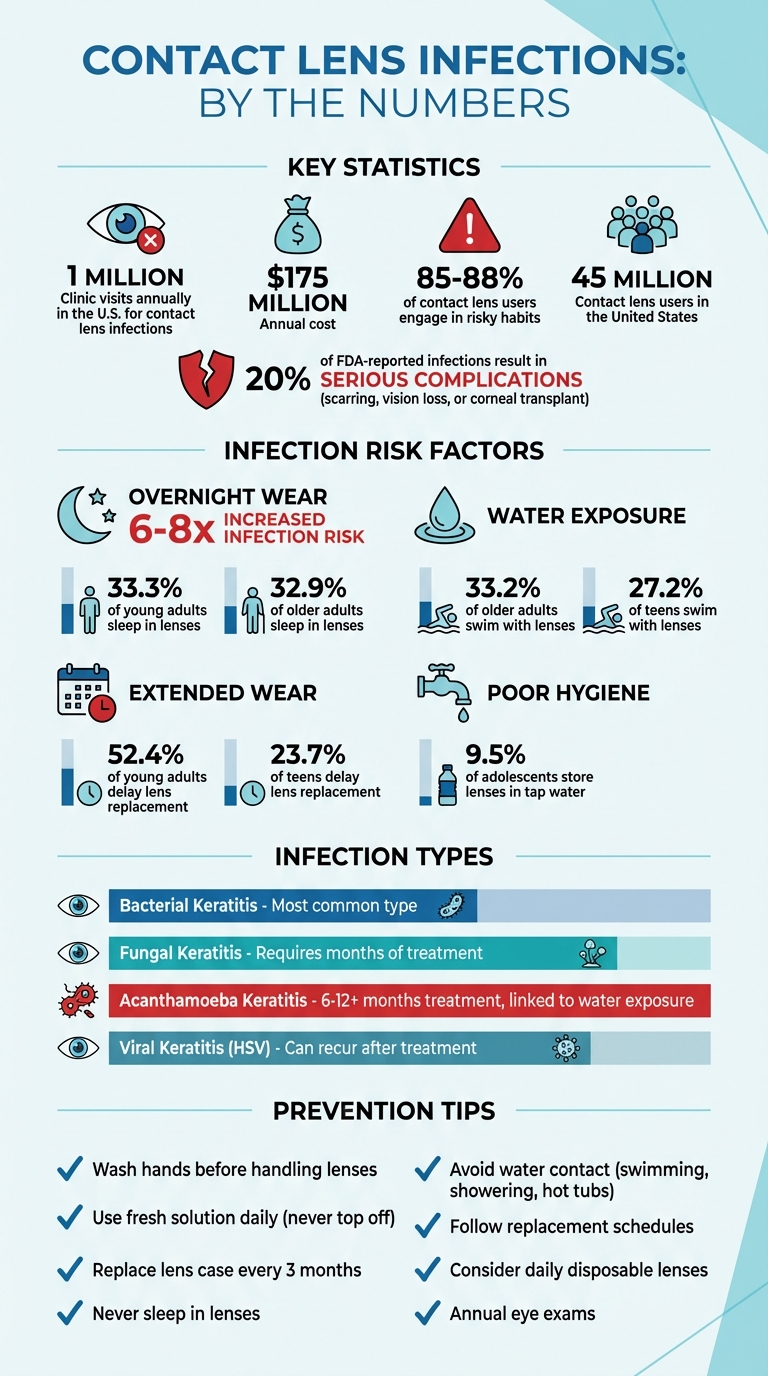
Wearing contact lenses can improve vision and convenience, but it comes with risks, including serious eye infections like microbial keratitis. Each year, 1 million clinic visits in the U.S. are related to these infections, costing $175 million. Alarmingly, 85-88% of contact lens users engage in risky habits that increase infection risk. Common causes include poor hygiene, sleeping in lenses, water exposure, and extended wear. Symptoms like pain, redness, or blurred vision require immediate attention. Prevent infections by washing hands, using fresh lens solution, avoiding water contact, and following replacement schedules. Daily disposable lenses and regular eye exams can further protect your vision.
Contact Lens Infection Statistics and Prevention Guide
How to avoid eye infections from contact lenses | ABC7

What Causes Contact Lens Infections
Contact lens infections often arise when certain habits or conditions create a welcoming environment for microorganisms like bacteria, fungi, viruses, or even parasites. Let’s take a closer look at the main factors that increase the risk of these infections.
Poor Hygiene Practices
Neglecting proper hygiene is one of the biggest culprits behind contact lens infections. For example, not washing your hands before handling lenses can transfer germs directly to your eyes. Another common mistake is "topping off" the old solution in your lens case instead of replacing it with fresh solution. This practice, along with failing to empty, rinse, and air-dry the lens case regularly – or not replacing it every three months – can lead to bacterial biofilm buildup. Shockingly, about 9.5% of adolescent lens wearers admit to storing their lenses in tap water instead of using sterile solution. To make matters worse, wearing lenses during sleep further weakens eye defenses.
Overnight Wear of Contact Lenses
Sleeping in contact lenses significantly increases the risk of infection – by 6 to 8 times, in fact. This occurs because wearing lenses overnight reduces the amount of oxygen reaching the cornea, which weakens the eye’s natural defenses. Dr. Reecha Kampani from Cleveland Clinic explains:
"When you’re wearing contact lenses, you’re getting less oxygen to the eye than normal. So, if you’re then overwearing that contact you’re putting the eye under more stress than it would be otherwise… a soft lens contact is porous and can be the perfect breeding ground for bacteria".
Despite these risks, a surprising number of people still take this chance – 33.3% of young adults and 32.9% of older adults report regularly sleeping or napping in their lenses.
Water Exposure
Water and contact lenses are a dangerous combination. Whether it’s tap water, bottled water, or even water from lakes or oceans, none of these sources are sterile. When water comes into contact with soft lenses, it can cause them to swell and stick to the eye, potentially scratching the cornea and creating an opening for infections. This can lead to serious issues like Acanthamoeba keratitis, a rare but stubborn parasitic infection that often requires long-term treatment. Alarmingly, 33.2% of older adults and 27.2% of teens admit to swimming while wearing their lenses. Dr. Kampani offers a simple but crucial piece of advice:
"Don’t sleep, swim or shower in your lenses".
Keeping lenses away from water is essential to avoid these risks.
Extended Wear and Microbial Contamination
Wearing lenses for too long without replacing them is another major risk factor. This habit promotes the buildup of bacteria, fungi, and viruses. Young adults are especially guilty of this, with 52.4% admitting to delaying lens replacement, compared to 23.7% of teens. Pathogens like Pseudomonas aeruginosa and Fusarium can thrive on lenses worn for extended periods. The porous nature of soft lenses makes them particularly vulnerable to microbial growth and biofilm formation, which are tough to clean. Sticking to the manufacturer’s recommended replacement schedule is key to avoiding these problems.
Types of Contact Lens Infections
Understanding the different types of contact lens infections is key to both preventing them and addressing them effectively. When germs invade the cornea, they can cause microbial keratitis, a severe form of eye inflammation. The Centers for Disease Control and Prevention warns that this serious infection in contact lens users can result in permanent vision loss if left untreated. Knowing the specific types of infections helps with quicker diagnosis and more targeted treatment.
Bacterial Keratitis
Bacterial keratitis is the most frequent type of contact lens infection. It is typically caused by bacteria such as Pseudomonas aeruginosa, often found in soil and water, and Staphylococcus aureus, which is commonly present on human skin. This infection progresses quickly and can cause permanent vision loss if not treated promptly with antibiotics.
Fungal Keratitis
Fungal keratitis, while less common, is a serious infection caused by fungi like Fusarium, Aspergillus, and Candida. It is more likely to occur in tropical areas and often follows eye injuries involving plant material or organic matter. Symptoms such as pain, redness, tearing, and discharge resemble those of bacterial infections. Treatment typically involves months of antifungal medications, and in severe cases, surgery may be required.
Acanthamoeba Keratitis
Acanthamoeba keratitis is a rare but severe parasitic infection linked to water exposure. The parasite Acanthamoeba is commonly found in tap water, swimming pools, and hot tubs. This infection is known for causing intense eye pain that often seems worse than what clinical findings would suggest. Treatment can take 6 to 12 months – or longer – because the parasite forms cysts that are highly resistant to medications.
Viral Keratitis (HSV Keratitis)
Viral keratitis, or HSV keratitis, is caused by the herpes simplex virus. It often develops when the virus spreads from an infected area, such as a cold sore, to the eye. While bacterial infections are more common, viral keratitis can recur, meaning it can return even after treatment. Symptoms typically include redness and sensitivity to light, and treatment involves antiviral medications and sometimes steroids.
Because the symptoms of these infections often overlap, eye doctors usually take a small sample from the cornea for lab analysis to pinpoint the exact cause.
sbb-itb-c87b093
Symptoms and Diagnosis
Common Symptoms
Recognizing symptoms early can make a huge difference in protecting your vision. The signs often overlap across different types of infections, so it’s crucial to seek medical care as soon as possible.
One of the most telling signs is eye pain, especially if it gets worse after you’ve taken out your contact lenses. Other symptoms include redness, blurred vision, and light sensitivity, which can make bright environments feel unbearable [1,7,14]. You might also notice excessive tearing or a sticky discharge [1,14]. Many people describe it as feeling like there’s something stuck in their eye, even when nothing is there.
| Symptom Category | Specific Signs to Watch For |
|---|---|
| Vision | Sudden blurred or decreased vision, sensitivity to light [1,7,15] |
| Sensation | Persistent eye pain (worsening after lens removal), itching, burning, or a foreign body sensation [1,14] |
| Appearance | Redness, swelling, or overly watery eyes [1,7,14] |
| Discharge | Sticky or unusual eye secretions [1,14] |
If you notice irritation, redness, or any of these symptoms, take out your contact lenses immediately and get medical help [1,7]. It’s also smart to have a backup pair of glasses with your current prescription ready in case you need to stop wearing lenses for a while [1,9].
When these symptoms occur, further evaluation is essential to determine the exact cause.
Diagnostic Methods
Once symptoms are noticed, eye care professionals use specific diagnostic tools to confirm the infection. A common first step is a slit lamp exam, which allows the doctor to closely examine the cornea for signs like infiltrates, ulcers, or inflammation.
If there’s suspicion of a microbial infection, the doctor might perform a corneal scraping. This involves collecting a small sample of corneal tissue to analyze in a lab. This test helps identify whether bacteria, fungi, or parasites are to blame. Culture tests are particularly useful when the infection doesn’t respond to initial treatments or if deep ulcers are present, as they guide doctors in choosing the most effective antibiotics. This is especially important since about 80% of MRSA strains resist fluoroquinolones, making precise identification critical.
If an infection is suspected, don’t throw away your lenses or lens case – they can be cultured to identify the source of contamination, providing valuable insights for diagnosis and treatment.
How to Prevent Contact Lens Infections
Contact lens-related infections are more common than you might think, but the good news is that most of them can be avoided by following a few simple habits. Let’s dive into how you can keep your eyes safe and healthy while wearing contact lenses.
Keep Your Hands and Lenses Clean
Start by washing your hands thoroughly with soap and water, then dry them with a clean, lint-free towel before touching your lenses. Using the "rub and rinse" method to clean your lenses helps remove debris and germs effectively.
When storing your lenses, always use fresh solution – never reuse or "top off" old solution. Clean your lens case regularly by rinsing it with solution (not water), leaving it open to air dry, and replacing it every three months. These small hygiene steps can go a long way in reducing your risk of infection.
Steer Clear of Risky Habits
Water and contact lenses don’t mix. Always take out your lenses before swimming, showering, or using a hot tub. Water can make soft lenses swell and stick to your eyes, potentially scratching your cornea and creating an easy pathway for germs.
"Contact lenses and water are a bad combination – even when showering, swimming, or using a hot tub." – CDC
Sleeping with your lenses in is another major no-no. Overnight wear significantly increases your risk of microbial keratitis, a serious infection that can lead to vision loss or even require a corneal transplant. And whatever you do, avoid using saliva to moisten your lenses – it’s loaded with bacteria that can cause infections.
By steering clear of these risky behaviors, you’re already taking a big step toward healthier eyes.
Consider Switching to Daily Disposable Lenses
If maintaining proper hygiene feels like a challenge or if you’ve had frequent infections, daily disposable lenses might be a game-changer. Because you use a fresh, sterile pair every day, there’s no need for cleaning or storage, which reduces the risk of contamination. Talk to your eye care provider to see if this option suits your lifestyle and needs.
Don’t Skip Regular Eye Exams
Routine eye check-ups are essential for catching problems early. Contact lens prescriptions typically last one to two years, and these visits give your doctor a chance to spot issues like corneal hypoxia or infections that might not be immediately noticeable. They can also review your cleaning habits and make sure your lenses fit properly and that your prescription is up to date.
If you experience redness, pain, light sensitivity, or sudden blurred vision, take your lenses out immediately and consult an eye care professional. And always keep a backup pair of glasses with your current prescription handy – just in case you need to give your eyes a break from lenses.
For tailored advice on caring for your lenses, Boulder Eye Surgeons offers specialized corneal care to help you maintain clear and healthy vision.
Conclusion
Taking care of your eyes starts with proper contact lens hygiene. Treat your lenses as medical devices, not just accessories. The main causes of contact lens infections – like sleeping in lenses, poor hand hygiene, and water exposure – are completely preventable. Simple habits such as washing your hands, using fresh contact lens solution, and keeping lenses away from water can significantly lower your risk of serious conditions like microbial keratitis.
Among the 45 million contact lens users in the United States, nearly all admit to at least one risky habit that could lead to an infection. The stakes are high – about 20% of contact lens-related corneal infections reported to the FDA result in complications like scarring, vision loss, or even the need for a corneal transplant.
"Hygiene is the most critical aspect of successful long-term contact lens wear." – American Optometric Association
If you experience symptoms like eye pain, redness, or sudden blurred vision, remove your lenses immediately and consult an eye care professional. Regular eye exams – ideally once a year – help ensure your prescription is up to date and allow your doctor to catch potential problems early.
For expert advice and specialized care, visit Boulder Eye Surgeons. Your vision deserves the best – make thoughtful choices to protect it every day.
FAQs
What steps can I take to avoid eye infections from contact lenses?
To keep your contact lenses free from infections, it’s crucial to stick to proper hygiene practices every time you handle them. Start by washing your hands thoroughly with soap and water, then dry them completely with a clean, lint-free towel before touching your lenses. Use only the disinfecting solution recommended by your eye doctor – never reuse or "top off" old solution. Make sure to clean and store your lenses exactly as directed, and replace your lens case every three months to keep bacteria at bay.
Steer clear of exposing your lenses to water, whether it’s tap water, bottled water, or water from swimming pools. Always remove your lenses before swimming, showering, or hopping into a hot tub. Stick to the wearing schedule prescribed by your doctor, and avoid sleeping in your lenses unless you’ve been specifically cleared to do so.
For tailored advice and a comprehensive eye health check, consider scheduling an appointment with Boulder Eye Surgeons. Their skilled team can help you fine-tune your lens care routine to keep your eyes healthy and protect against infections.
What are the dangers of sleeping with contact lenses in?
Sleeping with contact lenses dramatically raises your chances of developing eye infections – you’re 6 to 8 times more likely to face problems like painful redness, corneal ulcers, or even serious conditions like infectious keratitis. If untreated, these infections could result in permanent vision damage.
To safeguard your eyes, always take out your lenses before sleeping unless they’re explicitly designed for overnight wear. Following proper lens care routines and sticking to your eye doctor’s guidelines can go a long way in minimizing potential risks.
Why is it unsafe to let contact lenses come into contact with water?
Water can introduce harmful microorganisms to contact lenses, including bacteria like Pseudomonas or the parasite Acanthamoeba. These microorganisms can cause serious infections, such as microbial keratitis, which may harm your eyes and even impact your vision.
To protect your eyes, avoid swimming, showering, or rinsing your lenses with water. Always rely on sterile contact lens solutions made specifically for cleaning and storing your lenses.