Understanding Vision Changes with Age
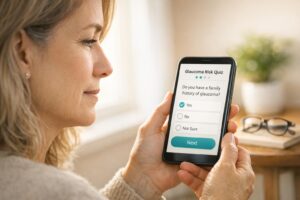
As we grow older, our bodies change in ways we don’t always expect, and our eyes are no exception. Many people start noticing shifts in their eyesight after 40, whether it’s struggling to read fine print or feeling more sensitive to glare. These changes are often a natural part of aging, but factors like family history and daily habits can speed up or slow down the process. Tools like an eye health analyzer can offer a glimpse into what might lie ahead for your vision, helping you prepare.
Why Eye Health Matters
Your eyesight plays a huge role in daily life, from driving to enjoying a good book. Age-related conditions such as cataracts or glaucoma can creep in silently, often without obvious symptoms at first. Lifestyle choices—think smoking or staring at screens for hours—can nudge those risks higher. By exploring how aging impacts eye wellness, you’re taking a smart step toward prevention. Simple habits, like eating foods rich in antioxidants or wearing protective eyewear, can make a big difference. Pair that with regular visits to an optometrist, and you’ve got a solid plan to keep your eyes in top shape for years to come.
FAQs
How accurate is the Eye Health Age Impact Analyzer?
This tool provides a general idea of how aging might affect your vision based on common risk factors like age, family history, and lifestyle. It’s built on well-established data about eye health trends, but it’s not a diagnosis. Everyone’s eyes are unique, so while we can highlight potential risks, only a qualified eye doctor can give you a precise assessment. Think of this as a starting point to spark awareness and encourage regular checkups.
What kinds of eye conditions does this tool predict?
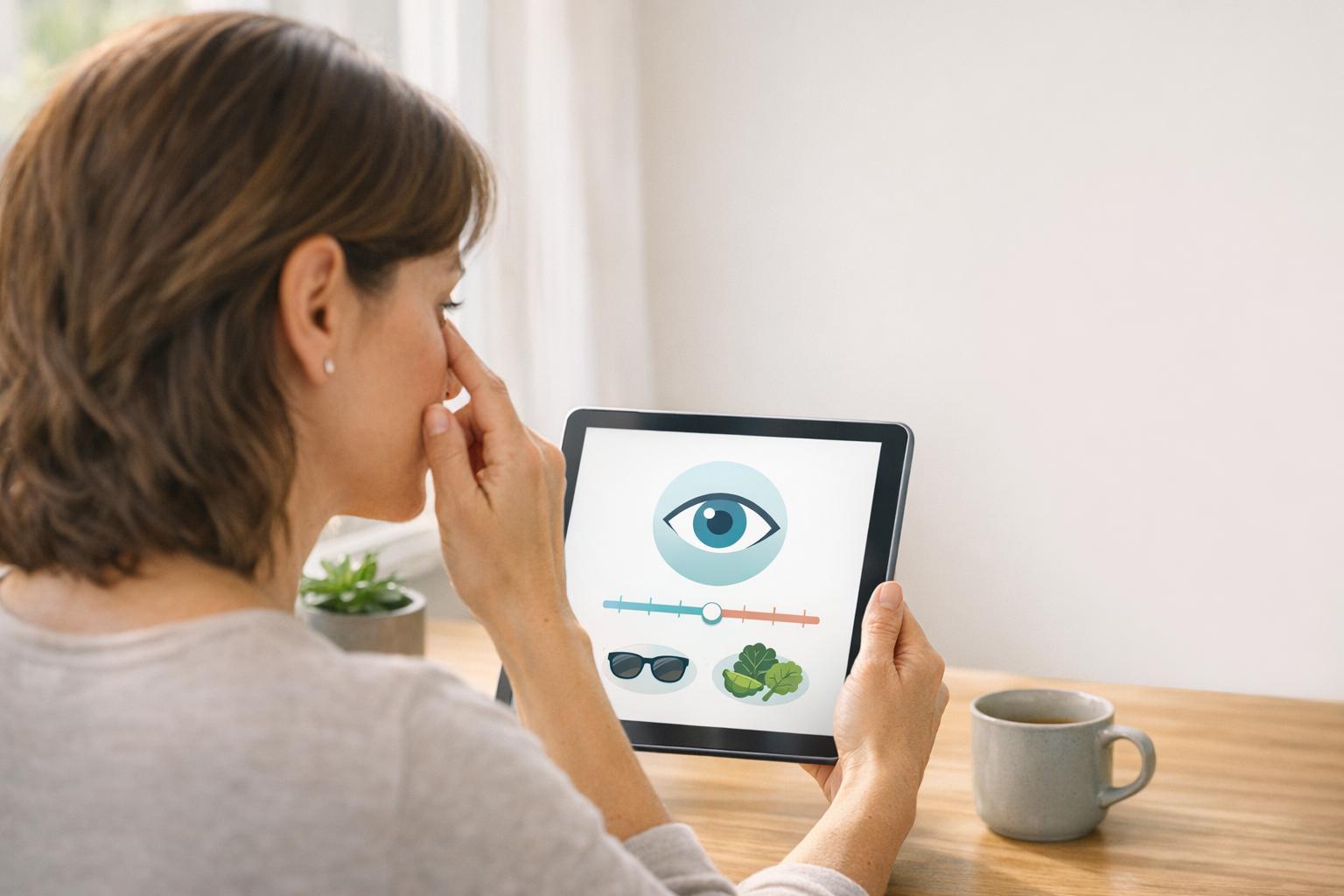
Our analyzer focuses on common age-related issues like presbyopia, which often starts around 40, as well as cataracts, glaucoma, and macular degeneration, which become more likely as you get older. We factor in your inputs to estimate risks for these conditions over time. Alongside the predictions, you’ll get tips to help protect your vision, like wearing UV-blocking sunglasses or eating nutrient-rich foods. It’s all about helping you stay proactive!
Can I trust this tool instead of seeing an eye doctor?
Not quite. While we’ve designed this tool to be informative and based on credible patterns in eye health, it’s no substitute for professional care. Aging can bring sneaky changes to your vision that only an exam can catch early. Use this analyzer to get a sense of what might be ahead and motivate you to schedule those checkups, but always lean on your doctor for personalized advice and treatment.