Understanding Your Eye Health: Why a Glaucoma Risk Assessment Matters
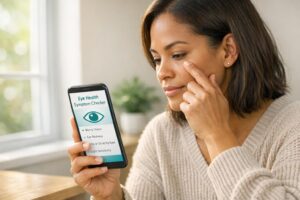
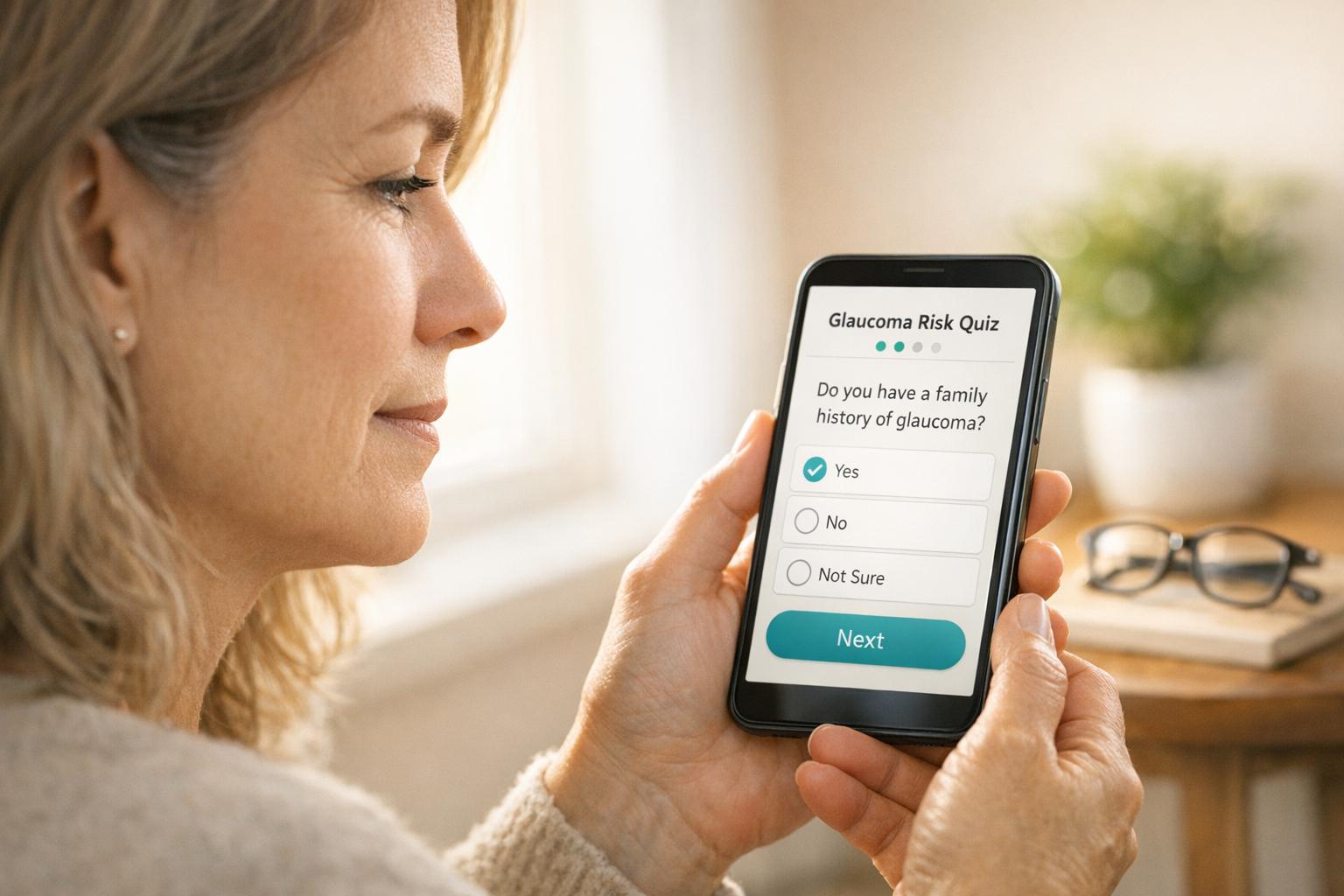
When it comes to protecting your vision, awareness is your first line of defense. Many people don’t realize that glaucoma, often called the “silent thief of sight,” can creep up without warning signs until significant damage is done. That’s where a simple tool like a risk evaluation quiz comes in handy. It’s a quick way to spotlight potential concerns based on factors like age, family history, or ethnicity, prompting you to take action before issues escalate.
Who’s at Risk for Vision Issues?
Certain groups face a higher likelihood of developing eye conditions that affect the optic nerve. For instance, folks over 60, those with a close relative who’s had the condition, or individuals from specific ethnic backgrounds may need to be extra vigilant. Other elements, like past eye injuries or long-term steroid use, can also play a role. By identifying these risks early, you’re better equipped to have meaningful conversations with your eye care provider. Remember, while online tools can guide you, they’re no match for a professional diagnosis. So, if you’re curious about your eye health, take a moment to assess your situation and follow up with a doctor for peace of mind.
FAQs
What exactly is glaucoma, and why should I care?
Glaucoma is a group of eye conditions that can damage the optic nerve, often due to high eye pressure, and it’s a leading cause of blindness. The tricky part? It often has no symptoms in the early stages. That’s why knowing your risk factors through a quiz like this can be a wake-up call to get checked by a professional before it’s too late.
How accurate is this Glaucoma Risk Quiz?
This quiz is based on well-known risk factors for glaucoma, like age, family history, and ethnicity. But let’s be clear—it’s not a substitute for a medical exam. Think of it as a starting point to gauge your risk and decide if you need to book an appointment with an eye doctor for a thorough evaluation.
What should I do if my results show a high risk?
If your results indicate a high risk, don’t panic, but do take it seriously. Schedule a visit with an optometrist or ophthalmologist as soon as you can. They’ll run tests like measuring your eye pressure or checking your optic nerve to get the full picture. Early detection is key with glaucoma, so acting promptly could save your vision.